


close
Choose Your Site
Global
Social Media
Views: 0 Author: Site Editor Publish Time: 2025-08-22 Origin: Site

If you want your backyard to be more fun, an outdoor putting green can help in 2025. It can also help you get better at golf. You have a big choice to make: synthetic turf or natural grass. Many homeowners like to practice putting anytime. They design a backyard putting green that fits their style. It makes their backyard look nicer and adds value. You can make a space for family fun. You can use it for parties and relaxing. Think about your backyard size. Think about how you want to use your putting green. Also, think about your budget before you start.
Outdoor putting greens have two main types. Synthetic turf is easy to care for and lasts up to 15 years. Natural grass feels real but needs more work and water.
Picking the best spot and thinking about your weather helps your green stay nice all year. Synthetic turf works well in most places.
You can use DIY kits for a simple and cheap setup. Or you can hire pros for custom greens with cool features.
Taking care of your green keeps it looking good and fun to use. Synthetic greens need easy cleaning and brushing. Natural greens need mowing, watering, and pest control.
In 2025, new trends include smart features that help you practice better. Eco-friendly materials make your green fun and good for the planet.
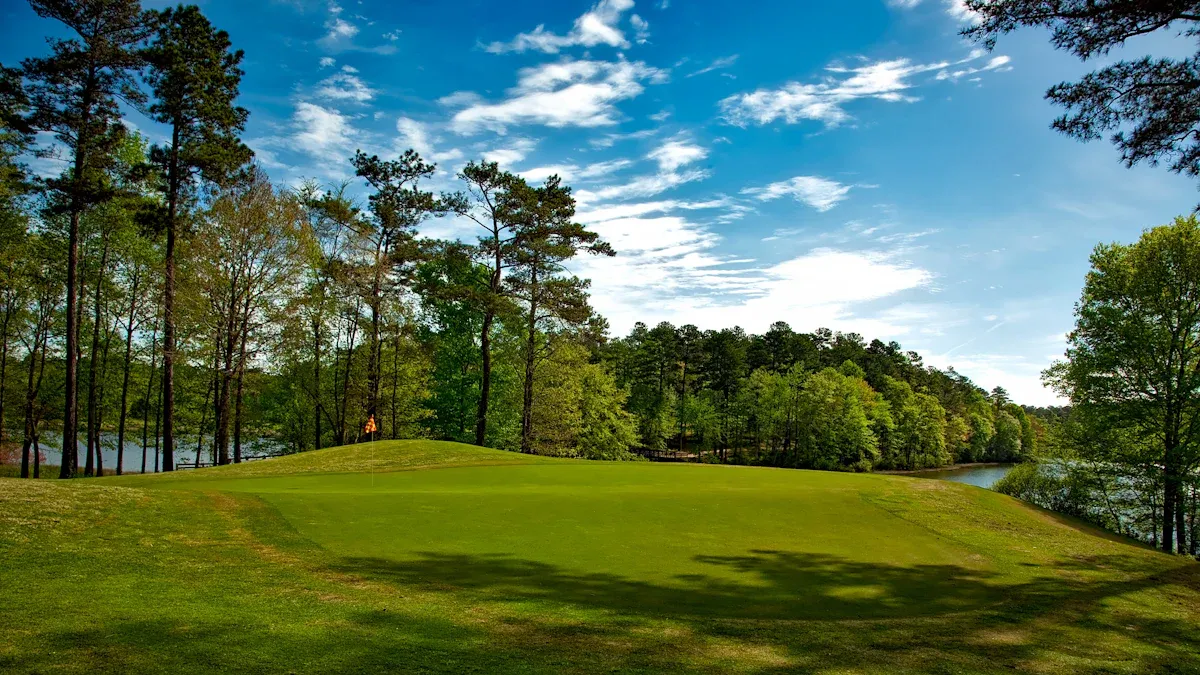
Synthetic putting greens are easy to take care of. They stay smooth and flat all year long. These greens use strong nylon or polypropylene fibers. The fibers do not wear out fast. They can handle sun, rain, and lots of walking. You can practice putting even after it rains or when it is cold. The turf does not fade or get stained easily. Your green will look nice for many years.
Let’s see what makes good synthetic putting greens special:
| Feature | High-Quality Synthetic Putting Greens | Lower-Quality Options |
|---|---|---|
| Turf Fiber Type | Durable nylon fibers, shape retention | Polypropylene/polyethylene, less durable |
| Pile Height & Density | Short pile (½”–¾”), high density | Longer pile, lower density |
| Drainage & Base | Permeable backing, stable base | Poor drainage, uneven surface |
| UV Resistance | UV-stabilized, heat-resistant | Fades, heat damage |
| Safety Features | Non-toxic, antimicrobial, slip-resistant | No safety features |
| Infill & Installation | Specialized infills, pro installation | Inferior infill, poor installation |
| Durability Indicators | High face weight, dense stitching | Low face weight, sparse stitching |
Synthetic putting greens give you a steady ball roll. The surface is always flat and smooth. You do not have to worry about bumps or holes. This helps you get better at putting. It also feels like real golf. Synthetic turf is strong. It can handle kids, pets, and bad weather. If you take care of it, your green can last up to 15 years.
Tip: Pick nylon turf if you want the strongest and most accurate ball roll. Polypropylene costs less and looks real, but it may not last as long.
Synthetic putting greens are great for busy families and golf fans. You do not need to spend much time on care. You get more time to practice your putting.
Natural grass putting greens feel like a real golf course. You get the look, smell, and feel of real grass. If you like gardening or want a classic green, this is a good choice.
Natural grass putting greens use special grass types. Creeping bentgrass is best for cool places. It gives a soft feel and smooth ball roll. In warm places, hybrid Bermudagrass is common. It can handle heat but may be a bit slower than bentgrass.
Here are some things to think about with natural grass putting greens:
Natural grass can get damaged by putters and lots of walking.
The grass can fix itself, but it will not be perfect without help.
You must mow, water, fertilize, and stop bugs often.
Weather can stop you from using your green. Rain or snow can make it unusable for days.
Taking care of natural grass costs more over time.
| Maintenance Aspect | Natural Putting Greens | Synthetic Putting Greens |
|---|---|---|
| Watering | Frequent, needs irrigation | None |
| Pest Control | Needed | Not needed |
| Fertilization | Regular, expensive | Not needed |
| Aeration/Topdressing | Required | Not required |
| Mowing | Daily, special equipment | Not required |
| Usability | Seasonal, weather limits | Year-round, weatherproof |
Natural grass putting greens are good for people who love golf and yard work. You get a pretty green, but you must work hard to keep it nice. If you want a green that feels like a pro course and do not mind the work, natural grass is a good pick.
Note: Natural grass putting greens need at least six hours of sunlight each day and good drainage. If your yard is shady or wet, synthetic putting greens may be better.
Picking the right spot for your outdoor putting green makes a big difference. You want a place in your backyard that is easy to reach and simple to maintain. Synthetic turf gives you lots of options. You can install it almost anywhere, even in small or odd-shaped spaces. Natural grass needs more care. It likes open areas with plenty of sunlight and good drainage.
Here are some things to think about when choosing a location:
Sunlight matters. Too much sun can fade turf, but not enough can hurt natural grass.
Drainage is key. Synthetic greens have drainage holes, so water does not pool. Natural grass needs soil that drains well.
Terrain can be shaped. You can add slopes or bumps to make your putting practice more fun.
Accessibility helps. You want to get to your green easily for quick practice or cleaning.
Maintenance is easier if your green is close to water and tools.
Tip: If your backyard has lots of shade or poor drainage, synthetic turf works better than natural grass.
Sunlight affects both types of greens. Morning sun with afternoon shade keeps synthetic turf cool and helps it last longer. Too much UV light can fade the color and make the turf brittle. You can use UV protectants and move accessories around to keep your green looking fresh.
Climate plays a big role in how your putting green performs and lasts. If you live in a cold area, natural grass goes dormant and turns brown in winter. You will need to aerate, reseed, and fertilize to keep it healthy. Sometimes, even with hard work, the grass does not recover well.
Synthetic turf stays green all year. It does not care if it is hot, cold, or rainy. You do not need to mow or water it. Artificial turf works in almost any climate because it resists UV rays and handles temperature changes. You just need to brush it and remove debris now and then.
Artificial turf can go in any climate zone.
Good drainage and anchoring help turf last longer.
Extreme heat can cause wrinkles or fading, but you can fix this with proper care.
Heavy rain is not a problem. Synthetic greens have drainage holes and a gravel base. Water drains fast, so you can use your green soon after a storm.
Synthetic putting greens dry quickly after rain.
Remove leaves and twigs to keep your green clean.
Rinse with a hose if dirt builds up.
Brush the turf to keep it looking good.
Check for small repairs, like lifted edges or weeds.
Note: If you live where it rains a lot, synthetic turf is a smart choice for your backyard putting green.
Think about how you want to use your putting green. Do you want to practice golf every day? Are you planning to host family parties or friendly contests? Maybe you just want a nice-looking spot in your backyard.
Practice your putting skills at home. You can improve your game with easy access.
Enjoy fun and games with family and friends. Putting greens make great party spots.
Add beauty to your backyard. A green lawn looks good all year.
Create a low-maintenance space for relaxing. Synthetic turf needs less work than natural grass.
If you like working in your yard, natural grass gives you a classic look and feel. If you want more free time, synthetic turf is better. You can even try a diy kit for a quick setup. Many homeowners choose diy options to save money and customize their backyard putting area.
Callout: A diy putting green lets you design a space that fits your style and needs. You can start small and add features later.
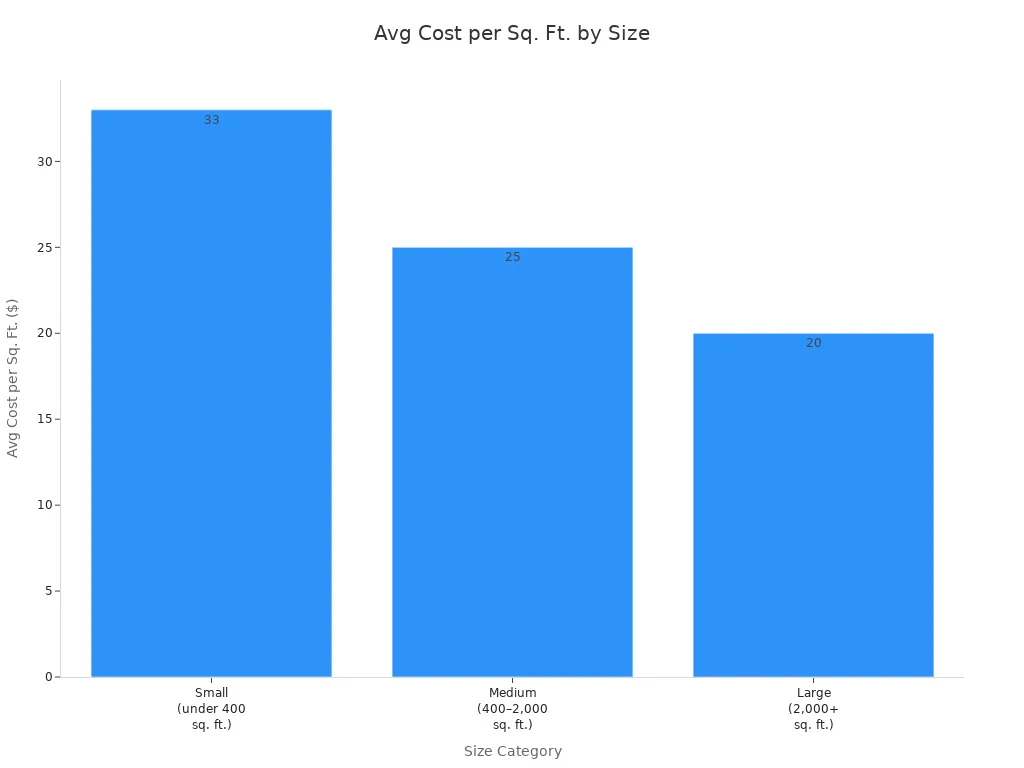
Your budget shapes your choices. Installing a backyard putting green costs between $3,500 and $9,000 on average. Most people spend about $4,300. The price depends on size, turf type, labor, and extra features.
| Size Category | Cost Range per Sq. Ft. | Average Cost per Sq. Ft. |
|---|---|---|
| Small (under 400 sq. ft.) | $25–$40 | $33 |
| Medium (400–2,000 sq. ft.) | $20–$30 | $25 |
| Large (2,000+ sq. ft.) | $15–$25 | $20 |
Other things that affect cost:
Size is the biggest factor. Bigger greens cost more.
Material choice matters. Synthetic turf costs more at first but saves money on upkeep. Natural grass is cheaper to install but needs more care.
Labor can be 70% to 95% of the total cost. Professional help costs more than diy.
Site prep, like grading or shaping, adds to the price.
Extra features, such as bunkers, hills, or lighting, increase your budget.
Permits and design fees may apply for large or custom greens.
If you want to save money, try a diy kit. You can install a small putting green yourself and add features over time. For bigger projects, hiring a pro makes sense, especially if your backyard needs grading or special drainage.
Tip: Plan your budget before you start. Decide what features matter most for your backyard putting green.
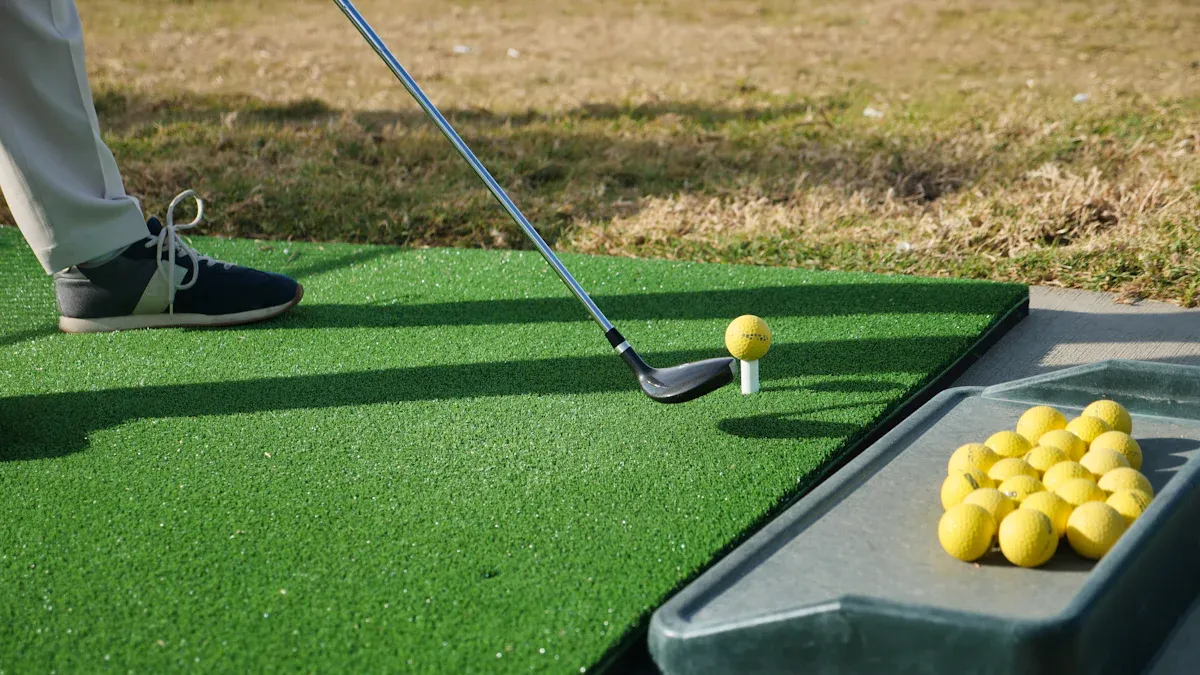
Ready to build your outdoor putting green? You can follow these steps to get a smooth, long-lasting surface. Here’s how you do it:
Excavate the area. Remove grass, rocks, and weeds up to 4 inches deep.
Level and compact the ground. Use a rake, compactor, and roller for a firm base.
Install edging around the perimeter. This keeps your putting green in shape.
Lay a sub-base of crushed gravel or decomposed granite. Compact it for drainage.
Spread sharp sand over the sub-base. Compact it again.
Add a weed barrier fabric. Secure it with nails or pins.
Unroll the turf and let it relax overnight.
Join turf pieces with adhesive and seam tape. Secure seams with staples or nails.
Attach the turf to the edging.
Add infill using a spreader. Brush it into the turf for stability.
Hose down the turf and let it dry for 24 hours before you use your putting green.
Tip: Decide where you want your cup holes before you start. This makes your putting practice more fun and challenging.
You might want to try a diy kit for your putting green. These kits come with everything you need. You get turf, base panels, cups, and instructions. You only need basic tools like a tape measure, turf cutter, and staple gun.
| Advantages of DIY Kits | Disadvantages of DIY Kits |
|---|---|
| Easy to install | Ball roll may not be perfect |
| Cost-effective | Drainage and stability can be weaker |
| Expert support | Kits cost more than buying materials separately |
Many people like diy kits because they save money and let you customize your putting area. You can start small and add features later. You get expert-designed materials and support, which helps if you’re new to diy projects.
Common diy mistakes include poor seam alignment, loose turf, and uneven surfaces. You need to take your time and use the right tools. Rushing can lead to problems like tripping hazards or bad ball roll. Make sure you prepare the ground well and use enough infill.
Callout: If you want a quick and easy putting green, a diy kit is a great choice. Just follow the instructions and don’t skip any steps.
Sometimes, hiring a pro is the best move for your putting green installation. Professionals have special tools and years of experience. They know how to prepare the foundation, set up drainage, and create smooth surfaces. You get a custom design that fits your backyard and skill level.
Look for installers with lots of experience and a strong portfolio. Good communication matters. You want someone who listens to your ideas and explains the process. Certified installers, like those with GreensMaster™ certification, show high standards and skill.
Pros use quality materials and offer long-term support. They can add features like curves, bunkers, and custom cup placements. If you want a durable, low-maintenance putting green that looks great and works well, hiring a professional is worth it.
Note: Choose a pro if your diy skills are limited or if you want a top-quality putting green that lasts for years.
You want your synthetic putting green to look great and play true for years. Good putting green maintenance makes all the difference. Here’s what you should do:
Remove leaves, twigs, and other debris every week. Use a leaf blower or a soft broom.
Rinse the turf with a garden hose now and then to wash away dust and pollen.
Brush the turf monthly with a stiff-bristled broom. Go in different directions to keep the blades upright and the ball rolling smoothly.
Spot clean spills or pet messes right away. Use mild soap and water, not harsh chemicals.
Check the infill every six months. Add more if you see low spots or if the turf feels hard.
Once a year, consider a deep clean. You can hire a pro to power brush, refill infill, and inspect for repairs.
Tip: Cross-brushing the turf helps prevent matting and keeps your putting surface fast and true.
If you follow these steps, your synthetic putting green can last 15 years or more. Regular putting green maintenance also keeps your backyard looking sharp and ready for practice anytime.
Natural grass greens need more work, but you get that classic golf feel. Putting green maintenance for natural turf means you need to stay on top of a few key tasks:
Mow the grass often to keep it short and smooth. This helps your putts roll true.
Water the green regularly, especially during dry spells.
Fertilize every few weeks to keep the grass healthy and green.
Aerate the soil to help roots grow deep and strong.
Dethatch and topdress with sand or soil to level the surface and improve drainage.
Watch for weeds and bugs. Treat problems early to avoid damage.
In winter, protect the green from frost and reduce foot traffic.
Note: Consistent putting green maintenance helps your natural green stay healthy and beautiful. With the right care, your green can last well over 15 years.
No matter which type you choose, a little effort goes a long way. You get a better putting experience and a backyard feature that lasts.
You might wonder how much a synthetic putting green costs in 2025. The price depends on the size of your green. Bigger greens usually cost less per square foot. Smaller greens cost more because setup and materials do not scale down as much. Here’s a quick look at average prices:
| Putting Green Size (sq. ft.) | Average Cost per Square Foot (2025) |
|---|---|
| 2,000 and above | $20 to $25 |
| 400 to 2,000 | $25 to $30 |
| Under 400 | $30 to $35 |
You pay more if you want special features like custom contours, chipping areas, or sand bunkers. Professional installation adds to the cost, but you get expert results. Site preparation matters too. If your yard needs grading or drainage work, the price goes up. Design complexity, site access, and the quality of turf also change the final bill.
Tip: You can save money by choosing a simple design or installing a DIY kit. Kits cost less and let you build your green at your own pace.
Natural grass putting greens have a different price tag. You spend less at first, but you pay more over time for upkeep. The average installation cost ranges from $15 to $25 per square foot. You need to buy sod or seed, soil amendments, and irrigation supplies. Labor costs can be high if you hire a landscaper.
After installation, you pay for water, fertilizer, mowing, and pest control. These costs add up each year. If you want a pro-level green, you need special equipment and regular care. Weather can also affect your budget. Heavy rain or drought means extra work and expense.
Initial installation: $15–$25 per sq. ft.
Ongoing maintenance: $500–$1,500 per year
Natural greens look and feel great, but you need to plan for long-term costs. Synthetic turf costs more up front, but you save money on maintenance. Think about your budget and how much time you want to spend caring for your green.
You can make your backyard putting green feel like a real golf course by adding slopes, breaks, and bunkers. Many people love undulating greens with gentle hills and curves. These features help you practice tough putts and make your backyard more exciting. You can add sand traps or small bunkers for extra challenge. Some homeowners even build mini golf-style greens with obstacles and fun shapes. If you want a classic look, a simple rectangle works well for all skill levels. You can choose a design that fits your backyard and your golf goals.
Tip: Adding contours and bunkers gives you more ways to practice and keeps your backyard putting green interesting for everyone.
You have lots of options to upgrade your backyard putting green. Many people add chipping areas so they can practice short shots. You can install multiple cups for different angles and challenges. Some greens come with modular panels, so you can change the layout whenever you want. Portable greens let you move your setup around the backyard or even take it to a new home. You can blend your green with landscaping by adding rocks, flower beds, or water features. Multi-use spaces are popular in 2025. You can combine your putting green with a seating area, fire pit, or bocce ball court for more fun.
Chipping zones for short game practice
Multiple cups for varied putting angles
Modular panels for easy layout changes
Portable greens for flexibility
Landscaping features like rocks and flowers
Multi-use spaces with seating or games
You can make your backyard putting green truly custom. Many companies offer personalized logos or unique contours. You can pick the size, shape, and color to match your backyard style. Some people add walkways, decorative shrubs, or even water features for a peaceful vibe. You can choose UV-resistant turf and drainage-friendly designs for year-round play. Custom installations let you adapt your green to any backyard, big or small. You get a space that fits your needs and shows off your personality.
Callout: Your backyard putting green can be as simple or as fancy as you want. Custom features make it one-of-a-kind and perfect for your home.
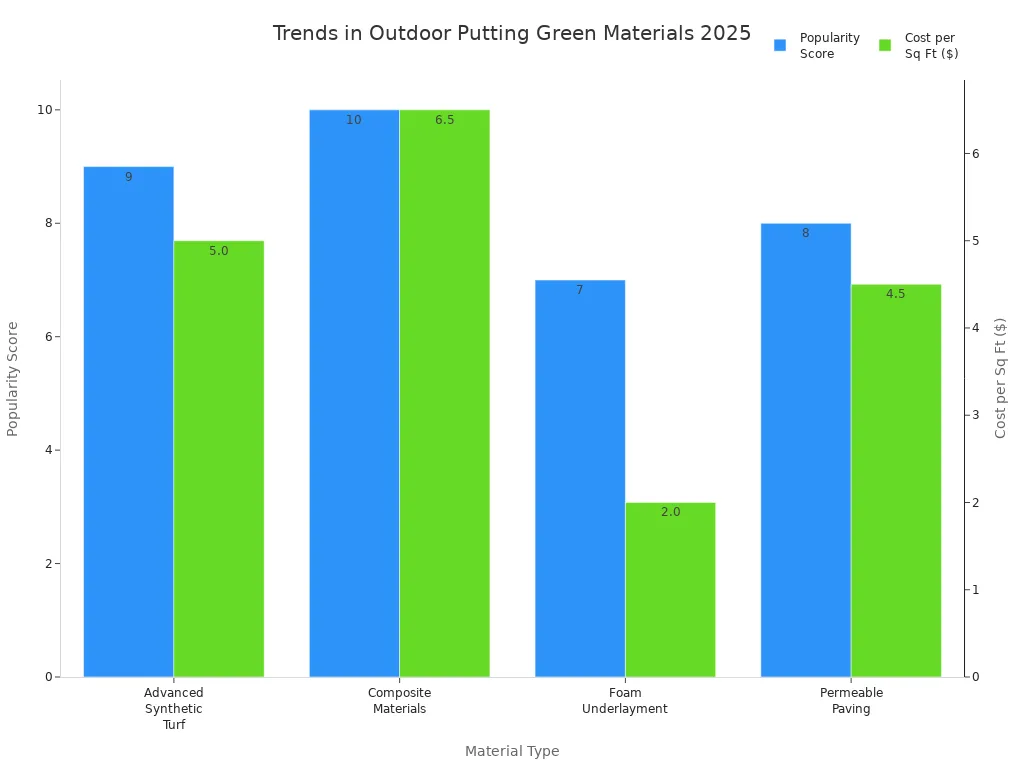
In 2025, you have more material choices for putting greens. Companies use advanced synthetic turf that feels like real grass. Composite materials are strong and last a long time. They can handle bad weather. Foam underlayment makes the green softer and quieter. Permeable paving helps water drain fast after rain. Many people like recycled synthetic turf because it is good for the earth.
Here’s a quick look at the most popular materials:
| Material Type | Key Benefits | Durability Rating | Cost per Sq. Ft. | Popularity Score (1-10) |
|---|---|---|---|---|
| Advanced Synthetic Turf | Mimics real grass, low maintenance | High (8/10) | $5.00 | 9 |
| Composite Materials | Weather resistance, very durable | Very High (10/10) | $6.50 | 10 |
| Foam Underlayment | Shock absorption, sound dampening | Very High (9/10) | $2.00 | 7 |
| Permeable Paving | Eco-friendly, effective drainage | High (8/10) | $4.50 | 8 |
| Recycled Synthetic Turf | Sustainable, reduces environmental impact | High (8/10) | Comparable | Growing |
Chinese companies are now top makers of turf and composite materials. They use new technology and care about the environment. This means you get better turf and more choices for your yard.
Putting greens in 2025 have cool smart features. You can add sensors that track your putts and give you feedback. These sensors show how you swing and where you can do better. Some greens use AR apps for fun games and practice. You can play and learn in your own backyard. Virtual coaching is popular too. You record your putts, send the video, and get advice from golf pros online.
Tip: Smart features make practice more fun and help you improve faster.
Eco-friendly choices are very popular now. Many people pick recycled turf and biodegradable infill to help nature. Permeable paving lets rain soak into the ground and keeps your green dry. Water-saving irrigation uses less water and keeps natural greens healthy. Solar lights and energy systems power your green without raising your bills.
You can have fun with your putting green and help the planet. New materials and smart features make it easy to be green in 2025.
You now know the key differences between synthetic and natural outdoor putting greens. Synthetic options give you easy care and year-round play. Natural grass feels classic but needs more work. Think about your goals, space, and budget before you pick a backyard putting green. If you want help, talk to a pro or check trusted guides. You can enjoy backyard putting greens that fit your style and make your home more fun in 2025!
You can expect your outdoor putting green to last up to 15 years. Synthetic turf stays strong with simple care. Natural grass needs more work, but you can keep it healthy with regular maintenance.
Yes, you can install a putting green system using a DIY kit. The kit comes with instructions and all the parts you need. You just need basic tools and a little patience.
Most people choose a size between 300 and 800 square feet. You can pick a smaller green if you have less space. Bigger greens give you more room to practice and add features.
Synthetic greens do not need water. You only rinse them to keep them clean. Natural grass greens need regular watering to stay green and smooth. You can use smart irrigation to save water.


