


close
Choose Your Site
Global
Social Media
Views: 0 Author: Site Editor Publish Time: 2025-08-20 Origin: Site


Keeping your artificial putting green nice is easy. You can enjoy a green surface every day. You do not have to worry about brown spots or watering all the time. Many homeowners like synthetic turf because:
You never have to mow, fertilize, or use pesticides.
The turf can handle lots of use, hot sun, and rain. It does not fade or get thin.
You save water and keep away pests, so your backyard is more fun.
It does not matter if you put in your artificial putting green or hired someone. Taking care of it is simple all year.
Artificial putting greens last much longer than natural grass and need less work, saving you time and money.
Regular cleaning, brushing, and checking the infill keep your green smooth, fresh, and ready for play all year.
Adjust your care routine with the seasons by removing debris, brushing, and protecting your green from weather effects.
Good drainage prevents water problems and helps your green stay dry, safe, and long-lasting.
Fix common issues like weeds, flat turf, or loose seams quickly to keep your green looking great and playing well.
You want your putting green to last for years. Good news—artificial turf is built for durability. When you take care of it, your artificial putting green can last between 15 and 20 years. That’s about twice as long as natural grass, which often needs replacing after 7 to 10 years. Natural grass struggles with pets, pests, and weather. You end up spending more time and money on repairs and reseeding.
Tip: Choose high-quality turf with UV protection and strong backing. This helps your green stay fresh and green, even in tough weather.
Here’s a quick look at how artificial turf compares to natural grass:
| Type of Putting Green | Average Lifespan (years) | Maintenance Needs | Durability Factors |
|---|---|---|---|
| Artificial Putting Green | 15 to 25 | Low: no watering, mowing, or fertilizing | Handles heavy traffic, pets, and weather |
| Natural Grass Putting Green | 7 to 10 | High: frequent care needed | Prone to damage from traffic and pests |
You get more years of play and less hassle with artificial turf. Regular cleaning and brushing keep the fibers upright and the surface smooth. If you install a good drainage system, you avoid water problems and mold.
You want your putts to roll true every time. Artificial greens use short, dense fibers that mimic real grass. The surface stays level and smooth, so your ball rolls the same way in summer, winter, or after rain. You don’t have to worry about slow patches or bumpy spots.
Specialized sand infill lets you adjust firmness and speed.
Advanced backing and base layers keep the surface stable.
The turf resists damage from foot traffic and weather.
Golfers love the realistic play. Many top brands use premium materials and smart design to match the feel of a pro-level green. You get consistent ball speed and feedback, whether you’re practicing for fun or training for a tournament.
Note: Artificial greens are tested for ball roll speed using a Stimpmeter, just like real golf courses. You can trust the performance all year.
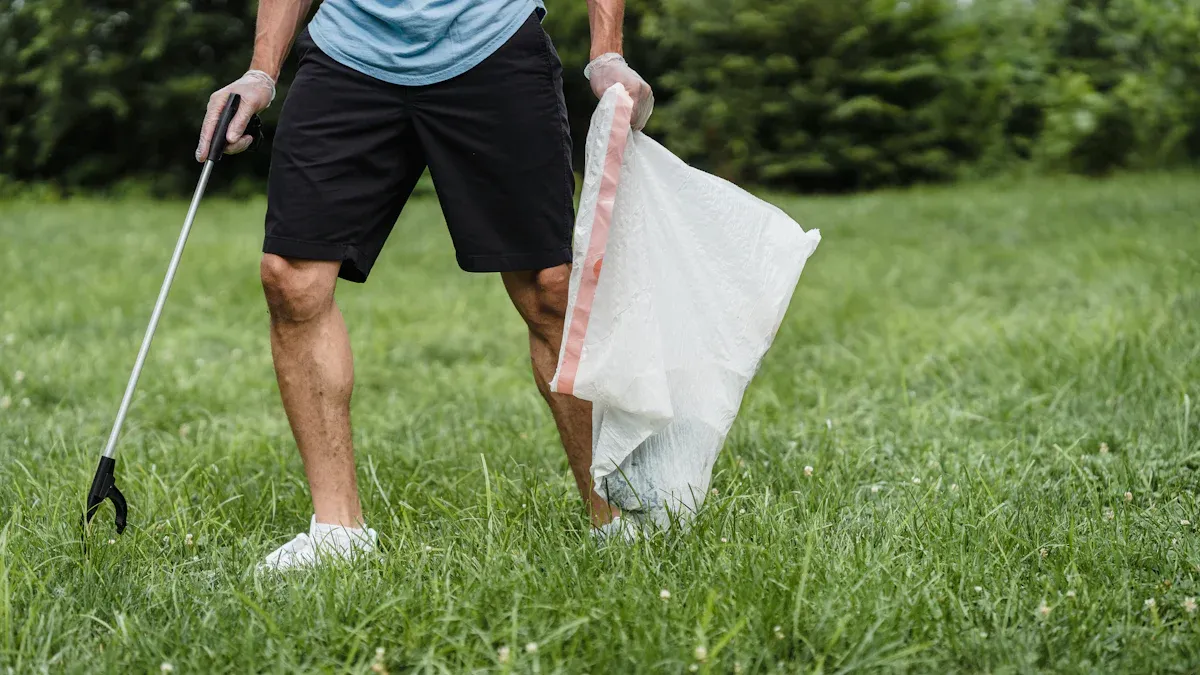
Taking care of your artificial putting green doesn’t take much time. You just need a few simple tools and a regular routine. Let’s break down the basics so you can keep your green looking sharp and playing true.
Leaves, twigs, and dust can pile up fast, especially if your green sits under trees or gets a lot of use. You want to keep the surface clear so your putts stay smooth.
Use a leaf blower on a low or medium setting to lift loose debris without hurting the turf fibers.
Sweep or hand-pick visible debris every day if you notice a lot of leaves or twigs.
Rinse the turf once a week with a garden hose to wash away dust and refresh the look.
For stuck debris, gently rake with a plastic-tined lawn rake. Never use metal rakes—they can damage the turf.
Avoid harsh chemicals and pressure washers. These can harm the turf and mess up the infill.
Tip: Keep a small maintenance kit near your green. A leaf blower, a soft brush, and a plastic rake cover most cleaning jobs.
If you have pets or kids running around, clean high-traffic areas more often. Quick cleanings keep your backyard putting greens ready for play.
Brushing is the secret to keeping turf fibers upright and your green smooth. When you brush, you help the turf bounce back after heavy use and keep the ball rolling true.
Use a soft-bristled broom or a brush made for artificial grass. Avoid wire brushes or hard bristles.
Brush against the grain to lift the fibers and prevent matting.
Focus on high-traffic spots, like around the holes or main walkways.
Brush every 2 to 4 weeks, or more often if you use your green daily.
For bigger greens, power brooms with nylon bristles save time and do a great job.
Here’s a quick table to help you decide how often to brush:
| Area Type | Brushing Frequency |
|---|---|
| High-traffic | Weekly |
| Moderate-traffic | Every 2 weeks |
| Low-traffic | Monthly |
Note: Brushing in different directions helps spread the infill and keeps the turf looking natural.
Infill is what keeps your turf blades standing tall and your green feeling firm. Most artificial putting greens use silica sand, coated sand, or organic infill like cork. These materials help with drainage, cushion your steps, and make the surface feel like real grass.
Check your infill every few months, especially in areas you use a lot. Look for these signs:
Flat or matted turf blades that don’t bounce back after brushing.
Uneven surfaces or small bumps.
Spots where infill looks thin or has moved around.
If you notice any of these, add more infill and brush it in to even things out. High-traffic areas may need a top-up every year. Regular grooming helps keep your green soft, smooth, and ready for play.
Callout: Proper infill keeps your green draining well and stops mold or mildew from growing. Some infills, like Envirofill, even fight bacteria and help your green last longer.
With these easy routines, you’ll keep your artificial putting green looking great and playing true all year.
Taking care of your putting green changes a bit with the seasons. Weather, temperature, and even falling leaves can affect how you care for your green. Here’s how you can keep your green in top shape all year, whether you have a backyard putting green or custom indoor putting greens.
Spring is a great time to get your green ready for more play. You don’t need to worry about reseeding, fertilizing, or watering like you would with real grass. Instead, focus on a few simple checks and cleaning tasks.
Inspect your green: Look for any seams that might have separated or spots where the turf looks flat. Check the infill to make sure it’s spread out evenly.
Remove debris: Use a leaf blower or soft broom to clear away leaves, twigs, and dust. This keeps the surface smooth and helps prevent mold.
Brush the turf: Every 4-6 weeks, brush the fibers to keep them standing tall. This helps your putts roll true.
Check drainage: After spring rains, look for puddles. If you see water pooling, clear any blockages and make sure the drainage system works well.
Apply treatments: You can use anti-static sprays or antimicrobial products to stop mold and mildew before they start.
Summer brings more sun and heat. Artificial turf can get hot, so you’ll want to keep an eye on the surface temperature.
Brush the turf at least once a month to stop matting.
Remove debris every week to keep air moving and the surface cooler.
Rinse the turf with water, especially in pet areas, to wash away odors and cool things down.
Check the infill often. Hot weather can make it settle or shift, so add more if needed.
Do your maintenance early in the morning or late in the evening when it’s cooler outside.
Tip: If your green gets a lot of sun, pick lighter-colored turf or use a shade cloth to help reflect heat. You can also use a garden hose to spray the surface and cool it down fast.
Fall means more leaves and sometimes more weeds. Winter brings cold, snow, and ice. You can still keep your green looking great with a few easy steps.
Remove leaves and debris: Fallen leaves trap moisture and can cause mold. Use a leaf blower or soft rake every week or two.
Watch for weeds: Pull weeds early, especially around the edges. You can use a turf-safe weed preventer or a little vinegar for stubborn spots.
Brush before winter: Give your turf a good brushing before it gets cold. This keeps the fibers upright and ready for snow.
Snow removal: Use a plastic shovel or push broom to clear snow. Never use metal tools—they can damage the turf.
Let ice melt naturally: Don’t chip at ice or use salt. Salt can clog the drainage and hurt the turf. If you need to melt ice faster, pour warm water or use a heated towel.
Check nails and seams: Cold weather can loosen nails or seams. Check them before winter and fix any loose spots.
Cover your green: If you want extra protection, cover your green with a tarp during heavy snow or when you won’t use it for a while.
Note: Walk carefully on your green when it’s icy. The turf can get slippery or brittle in freezing weather.
Here’s a quick table for fall and winter care:
| Task | How Often | Tools Needed |
|---|---|---|
| Remove leaves | Weekly | Leaf blower, soft rake |
| Brush turf | Monthly | Soft broom |
| Check nails/seams | Before winter | Hammer, extra nails |
| Remove snow | As needed | Plastic shovel, broom |
Good drainage keeps your artificial putting green dry and safe. If water pools on the surface, it can cause mold, mildew, and even make the turf wear out faster. Here’s how you can make sure your green drains well:
Build your green with a slight slope (about 1–2%) so water runs off.
Use a crushed stone or gravel base under the turf. This lets water flow through easily.
Make sure your turf has holes or perforations in the backing. These let water drain straight down.
For bigger greens, install drainage pipes or channels under the surface.
After heavy rain, check for puddles. If you see any, clear debris from the drainage pipes or channels.
Brush the turf after rain to keep the infill even and the surface smooth.
Never ignore drainage problems. If you see water pooling, fix it right away to avoid bigger issues later.
Callout: Proper drainage means your green dries quickly after rain. You can get back to putting sooner, and your turf will last longer.
If you have custom indoor putting greens, you don’t need to worry about rain or snow. Just keep the surface clean and brush the fibers every month. For outdoor greens, following these drainage tips will keep your green looking and playing its best all year.
Even with the best care, you might run into a few common problems with your artificial putting green. Here’s how you can handle weeds, matted turf, and drainage issues so your green stays in top shape.
Weeds sometimes sneak into artificial turf, especially around the edges or through seams. Birds and trees drop seeds, and weeds can pop up if you skip a weed barrier during installation. You can stop most weeds before they start.
Always clear out all grass and roots before you install your putting green system.
Lay down a high-quality, permeable weed barrier fabric under the turf.
Compact the base well and fill any cracks near hardscapes like concrete or rocks.
Pull weeds by hand as soon as you see them. This works best for small patches.
For stubborn weeds, spray a mix of white vinegar and water or use a turf-safe herbicide. Avoid harsh chemicals that can harm your turf.
Tip: Brush away leaves and debris often. This keeps seeds from settling and helps prevent moss or weed growth.
Heavy use or leaving furniture on your green can flatten the turf. Matted fibers make your putts roll unevenly. You can bring your turf back to life with a few simple steps.
Brush the turf with a stiff-bristled broom or a power broom. Move against the grain to lift the fibers.
Check the infill. If the turf still looks flat, add more infill and brush it in.
Remove debris like leaves and twigs. This stops matting and keeps drainage working.
Clean up spills with mild soap and water. Skip harsh cleaners.
Move heavy objects around so they don’t flatten one spot for too long.
If you notice the turf stays flat after brushing and adding infill, you might want to call a professional for help.
Good drainage keeps your green dry and safe. Sometimes, water can pool if the base shifts or debris blocks the drainage holes.
Check for puddles after rain. If you see standing water, clear away leaves and dirt from the surface.
Brush the turf to keep the infill even and the surface smooth.
Make sure the base under your green slopes slightly so water runs off.
If you keep having drainage problems, you may need to adjust the base or add more drainage channels.
Note: Regular cleaning and brushing help prevent most drainage issues on backyard putting greens.
Thinking about building an artificial putting green at home? You have two main choices: do it yourself or hire a pro. Both options can give you a fun, low-maintenance space for practice. Let’s break down the basics so you can decide what works best for you.
You can build your own green with a little planning and patience. Many people use a diy putting green kit, but you can also gather materials yourself. Here’s a simple step-by-step guide:
Mark the area where you want your green. Use stakes and string to outline the shape.
Check for underground pipes or wires before you dig.
Remove all grass and weeds from the spot. Dig down about 2–3 inches.
Lay down a weed barrier fabric. This stops weeds from growing up through your turf.
Add a base layer of crushed rock or decomposed granite. Spread it out and level it.
Compact the base with a roller or plate compactor. You want a firm, flat surface.
Shape the base if you want slopes or breaks for more challenge.
Place cups for the holes and any extra features.
Roll out your artificial turf. Trim the edges to fit your space.
Join seams with tape or glue. Make sure the turf fibers all face the same way.
Add infill sand to keep the blades standing tall. Brush the turf to finish.
Tip: Take your time with each step. A solid base and weed barrier make your green last longer.
If you want a perfect finish, you can hire a professional. Pros have the tools and experience to handle every detail. Here’s what you get:
Smooth, even surfaces with no bumps or wrinkles.
Expert base preparation for great drainage and long life.
Fast installation—usually done in a day or two.
Warranty coverage for peace of mind.
Professional installation costs more, but you get top quality and less work for yourself. You can also ask for custom shapes, special turf, and extra features.
| Option | Cost | Quality | Time Needed | Warranty |
|---|---|---|---|---|
| DIY | Lower | Good* | Several days | No |
| Professional | Higher | Excellent | 1–2 days | Yes |
*DIY quality depends on your skill and patience.
You can customize your backyard putting green to fit your space and style. Try these ideas to make it your own:
Add multiple holes for more practice options.
Use fringe grass around the edges for a real golf course look.
Shape the surface with small hills or curves to boost the challenge.
Choose UV-resistant turf to keep your green bright and fresh.
Install lights for evening play or add benches for comfort.
You can blend your green into your landscaping with plants, stones, or pathways. Pick the shape that fits your yard—bean, bone, or even a free-form design.
Building an artificial putting green takes some effort, but you get a fun, custom space that lasts for years. Whether you go DIY or hire a pro, a good weed barrier and solid base are key for success.
Taking care of your artificial putting green feels simple and rewarding. You just need a few easy routines to keep it looking great all year:
Clean and inspect your green every month.
Remove leaves, pet waste, and rinse with water to keep it fresh.
Brush the turf and check for loose seams or flat spots.
Call a pro for a yearly checkup or after big storms.
Many people say they love how little work it takes. You get a bright, safe, and fun space for golf without the hassle of natural grass. Stick with these habits, and your green will stay beautiful and ready for play!
You should clean your green once a week. Use a leaf blower or soft broom to remove leaves and dirt. Quick cleaning keeps your turf looking fresh and ready for play.
Yes, you can play after rain. Artificial turf drains fast. Just check for puddles and brush the surface if needed. Your green stays safe and playable all year.
You only need a leaf blower, soft broom, and plastic rake. These tools help you clean debris and brush the turf. Keep them handy for easy maintenance.
Artificial turf can get warm in direct sun. You can cool it down by spraying water or using shade cloth. Try playing early or late in the day for comfort.
You can press the seam down and use turf glue or nails to secure it. If the problem keeps coming back, call a professional for help. Your green will stay smooth and safe.


