


close
Choose Your Site
Global
Social Media
Views: 0 Author: Site Editor Publish Time: 2025-11-06 Origin: Site


Imagine stepping onto a football field where the turf is as advanced as the game itself. Football Turf technology has evolved tremendously, transforming fields into high-tech arenas. But why does staying updated with these trends matter? In this post, you'll learn about cutting-edge innovations in turf technology and why keeping up with these trends is crucial for enhancing performance, safety, and sustainability.
Artificial turf has come a long way since its debut in the 1960s. It all started with AstroTurf, first installed in the Houston Astrodome in 1966. This early version was a game-changer for indoor stadiums lacking natural sunlight. It allowed sports to continue without the challenges of growing and maintaining real grass indoors.
Over the years, technology transformed artificial turf dramatically. Early turf was rough and less forgiving, often criticized for causing injuries. Today’s turf mimics natural grass more closely, offering improved softness, better traction, and consistent ball behavior. These advancements come from better synthetic fibers and smarter backing materials designed to enhance durability and player safety.
The backing systems evolved too. Modern turf uses engineered layers that provide excellent drainage and stability, preventing water pooling and uneven surfaces. This means games can proceed even after heavy rain, unlike natural grass fields that can turn muddy or slippery.
Infill materials also advanced. Initially, crumb rubber was the standard, but new options like organic infill and non-infill systems reduce maintenance and environmental concerns. Some cutting-edge turfs now use PET polymer grid backing, which offers stretch-proof and infill-free designs, improving longevity and reducing upkeep.
The shift toward infill-free turf is notable. It eliminates the need for rubber or sand granules, creating a cleaner, safer playing surface. These systems also help maintain consistent ball roll and bounce, which is crucial for football performance.
Artificial turf technology today balances durability, safety, and playability. It supports heavy use without the downtime natural grass requires for recovery. This is especially valuable for schools, clubs, and stadiums hosting frequent matches and training sessions.
1960s: Introduction of AstroTurf, mainly for indoor use.
1990s: Improved fibers for better softness and appearance.
2000s: Enhanced drainage and infill materials for performance.
2010s: Development of infill-free and PET polymer grid backing turfs.
Present: High-tech turf systems certified by FIFA and other bodies, combining durability, safety, and environmental benefits.
These developments reflect ongoing efforts to meet players' needs and facility managers' demands for low maintenance and high performance.
Note: Understanding the evolution of turf technology helps B2B buyers select products that align with their facility’s usage, safety standards, and budget constraints.
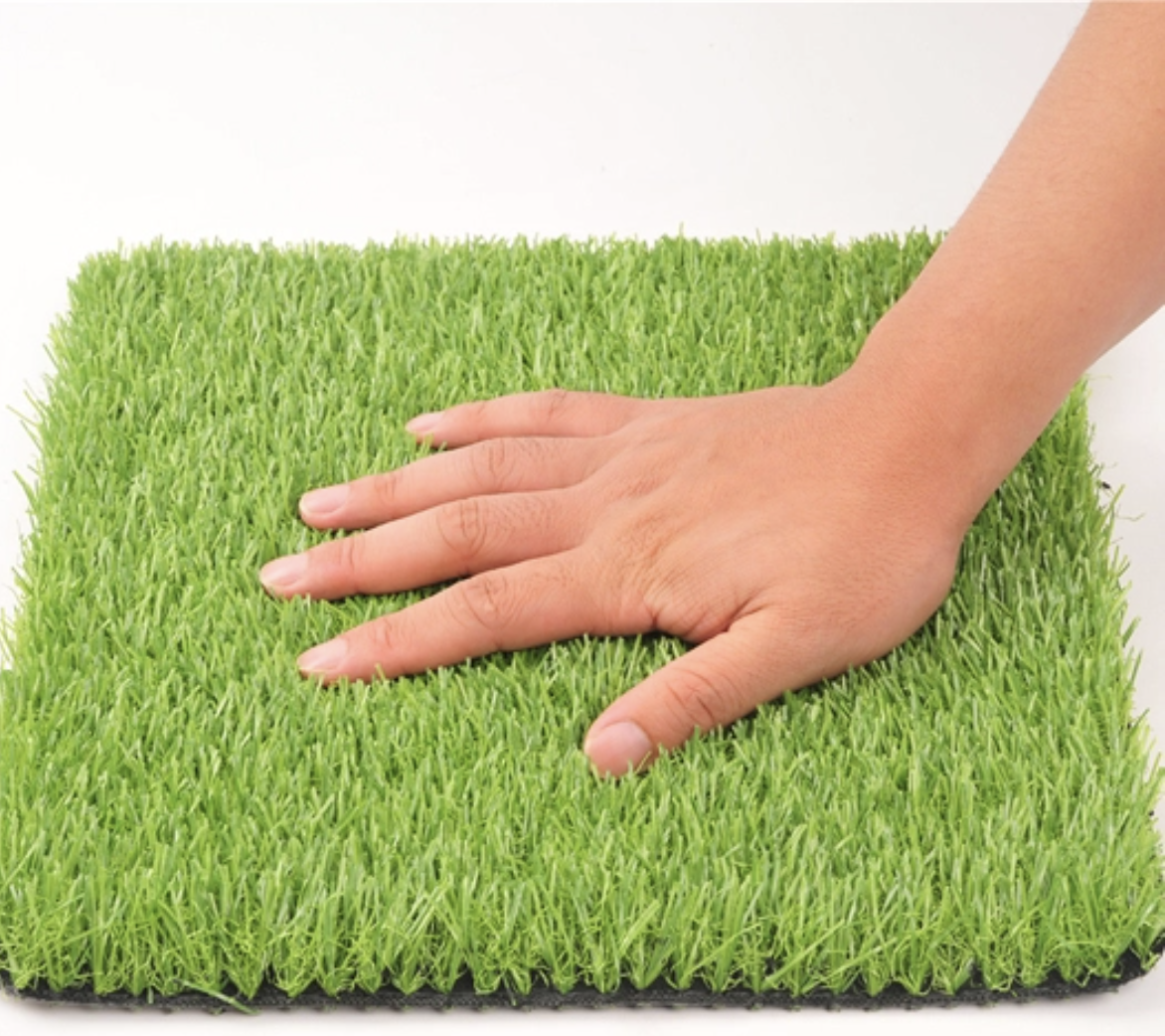
Modern football turf has seen exciting material innovations that improve performance, reduce maintenance, and enhance sustainability. Two standout advancements are non-infill turf systems and PET polymer grid backing.
Traditional artificial turf often uses infill materials like crumb rubber or sand to support the synthetic grass fibers and provide cushioning. However, non-infill turf eliminates these granules entirely. Instead, it relies on advanced fiber design and backing structures to maintain turf stability and player comfort.
Non-infill turf offers several advantages:
Cleaner surface: Without loose infill, fields stay cleaner, reducing debris and dust.
Lower maintenance: No need to replenish or redistribute infill materials regularly.
Consistent playability: Ball roll and bounce remain uniform across the field.
Player safety: Reduced risk of infill-related injuries or skin abrasions.
This innovation suits facilities aiming for high-usage fields that require minimal downtime and upkeep. Schools, clubs, and stadiums benefit from the durability and consistent surface quality.
PET (Polyethylene Terephthalate) polymer grid backing is a cutting-edge material revolutionizing turf construction. It acts as a strong, flexible base that supports the synthetic grass fibers without needing infill.
Key benefits include:
Stretch-proof stability: The PET grid resists stretching and deformation, keeping turf dimensions intact over time.
Infill-free design: Eliminates the need for rubber or sand granules, simplifying installation and maintenance.
Enhanced drainage: The grid structure allows water to pass through efficiently, preventing puddles and surface water.
Durability: PET is resistant to UV rays, chemicals, and wear, extending turf lifespan.
Eco-friendliness: PET backing is recyclable, aligning with sustainability goals.
This backing system supports high-performance football turf certified by FIFA and other sports bodies. It ensures consistent ball behavior and player traction while reducing environmental impact.
Innovation | Key Features | Benefits |
Non-Infill Turf | No infill granules; advanced fibers | Cleaner, safer, low maintenance |
PET Polymer Grid Backing | Stretch-proof, infill-free backing | Durable, recyclable, great drainage |
Together, these innovations mark a shift towards smarter, more sustainable football turf solutions. They address common challenges like maintenance costs, environmental concerns, and playability, making artificial turf a more attractive choice for modern sports facilities.
Tip: When selecting turf, prioritize non-infill systems with PET polymer grid backing for lower upkeep and longer-lasting, eco-friendly football fields.
When choosing football turf, understanding its environmental impact is crucial. Artificial turf offers distinct advantages and some challenges compared to natural grass, especially regarding water use and sustainability.
One of the biggest environmental benefits of artificial turf is water savings. Natural grass fields need frequent watering, especially in dry climates or during hot seasons. This can consume thousands of gallons of water annually, putting pressure on local water supplies.
Artificial turf eliminates the need for irrigation, saving significant water resources. For example, every square meter of synthetic turf can save over 2,000 gallons of water yearly (example data). This makes it an excellent choice in drought-prone areas or places with water restrictions.
Besides saving water, artificial turf also reduces the use of fertilizers and pesticides. Natural grass requires these chemicals to stay healthy and green, but synthetic turf needs none. This lowers the risk of chemical runoff polluting nearby soil and waterways.
Modern turf technology increasingly focuses on sustainability. Many artificial turf products now incorporate recyclable materials, reducing landfill waste after the turf reaches the end of its lifespan.
For instance, PET polymer grid backing is not only durable and stretch-proof but also recyclable. This means old turf can be processed and reused, minimizing environmental impact. Such innovations align with growing demands for eco-friendly sports facilities.
Moreover, infill-free turf systems reduce the use of rubber or sand granules, which can be problematic to dispose of or recycle. By avoiding infill, these turfs simplify recycling and lessen microplastic pollution risks.
Still, artificial turf has some environmental concerns. Manufacturing synthetic fibers consumes energy and fossil fuels. Also, artificial surfaces can retain heat, sometimes making fields hotter than natural grass. However, ongoing research aims to develop cooler turf materials and improve energy efficiency during production.
Aspect | Artificial Turf | Natural Grass |
Water Usage | Very low, no irrigation needed | High, frequent watering required |
Chemical Use | None, no fertilizers or pesticides | Moderate to high |
Recyclability | Increasingly recyclable (e.g., PET backing) | Biodegradable |
Heat Retention | Can be high, may increase surface temperature | Lower, natural cooling effect |
Environmental Impact | Manufacturing footprint, but water-saving | Carbon absorption, supports ecosystem |
Choosing artificial turf with recyclable components and infill-free designs helps balance performance with environmental responsibility. It supports water conservation and reduces harmful chemical use, key priorities for many facility managers today.
Tip: Opt for artificial turf systems featuring recyclable PET polymer backing and infill-free designs to maximize water savings and sustainability in football fields.
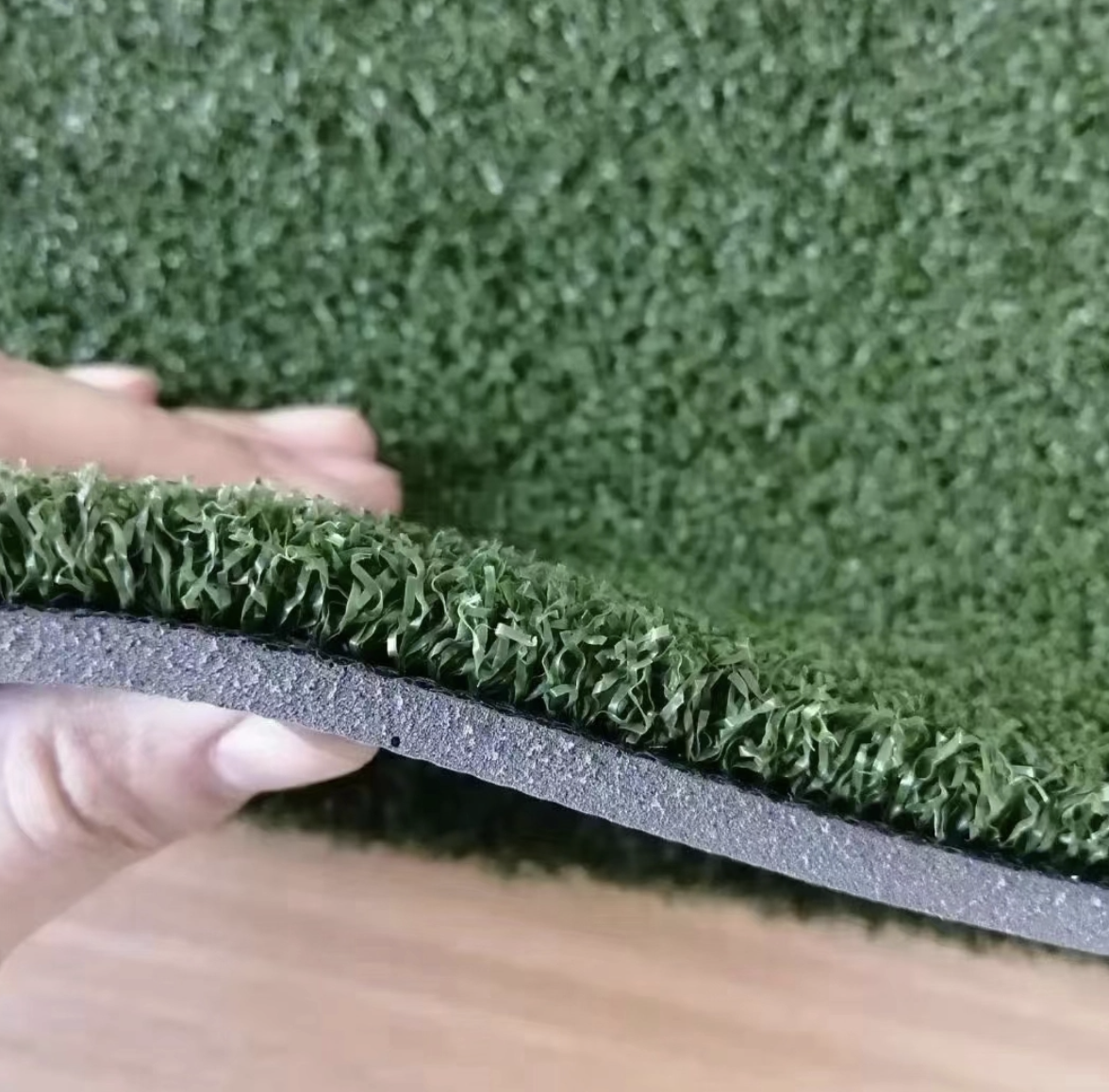
Performance and playability are crucial when selecting football turf. Players and coaches expect a surface that feels reliable, safe, and consistent every time they step on the field. Modern turf technology addresses these demands by focusing on two key aspects: consistency in ball behavior and player traction combined with safety.
Artificial turf offers uniformity that natural grass often cannot guarantee. On natural grass, factors like uneven patches, wet spots, or worn areas can affect how the ball rolls or bounces, making play unpredictable. Artificial turf provides a smooth, level surface that ensures the ball moves consistently regardless of weather or field usage.
This consistency is especially important in football, where ball speed, bounce, and roll impact game flow and strategy. High-quality synthetic fibers and advanced backing systems contribute to maintaining this uniformity over time. For example, infill-free turf with PET polymer grid backing keeps fibers upright and stable, so the ball's behavior stays reliable across the entire pitch.
Players benefit from this predictability by being able to better anticipate ball movement, which can improve passing accuracy, dribbling, and shooting. Coaches appreciate fewer disruptions caused by field irregularities, leading to safer and more skillful play.
Traction on football turf is vital for player performance and injury prevention. Modern artificial turf is designed to mimic the grip of natural grass, allowing players to make quick cuts, sprints, and stops without slipping. The fiber texture, density, and infill (or infill-free design) all influence traction levels.
Advanced turf systems balance grip and slide to reduce common injuries like sprains or strains. Too much grip can cause joint stress, while too little can lead to falls. Innovations such as PET polymer grid backing provide a stable base that prevents turf shifting or stretching, maintaining consistent traction throughout the field’s lifespan.
Additionally, infill-free turfs eliminate loose granules that sometimes cause abrasions or discomfort. The smooth, cushioned surface reduces skin injuries and enhances comfort during play.
Player safety also benefits from engineered shock absorption in modern turf layers. These layers help reduce impact forces on joints and muscles during tackles or falls, lowering injury risk without compromising performance.
Artificial turf delivers consistent ball roll and bounce for predictable gameplay.
Advanced fibers and backing systems maintain turf stability and ball behavior.
Turf mimics natural grass traction, supporting quick player movements safely.
Infill-free designs reduce abrasions and improve surface cleanliness.
Shock-absorbing layers enhance player safety during impacts.
Tip: Choose football turf featuring infill-free systems with engineered backing to ensure consistent ball performance and optimal player traction for safer, high-quality play.
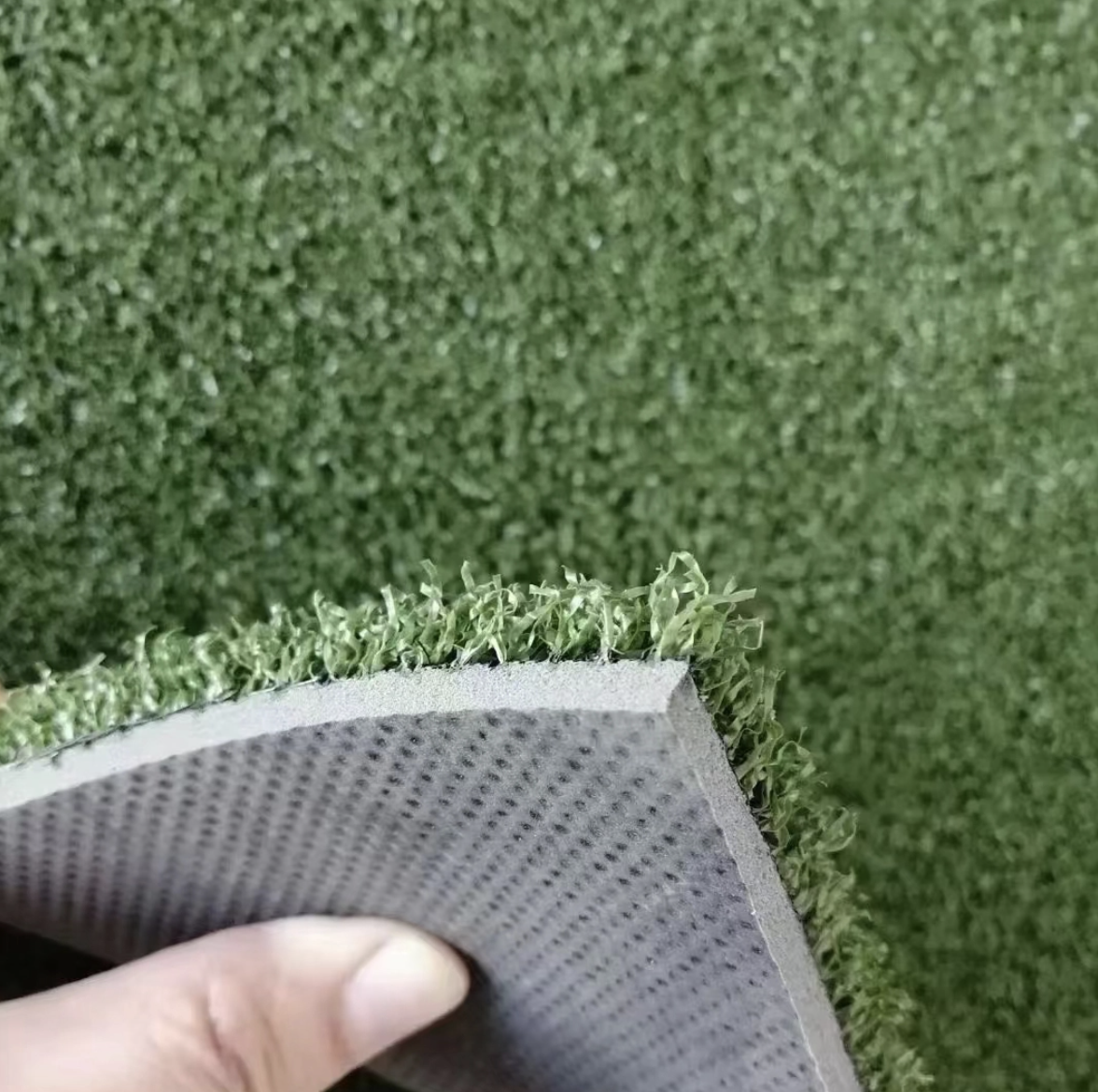
Choosing the right football turf involves understanding both installation costs and ongoing maintenance expenses. These factors often determine a facility’s budget and long-term satisfaction with the playing surface.
Artificial turf installation costs vary depending on the turf type, materials, and site preparation. Traditional infill turf systems usually cost less upfront than advanced infill-free turfs with PET polymer grid backing. Here’s a general breakdown:
Traditional Infill Turf: Costs range from $10 to $15 per square foot. Includes synthetic fibers, infill materials like crumb rubber or sand, and a standard backing. Installation requires infill spreading and compaction.
Infill-Free Turf with PET Polymer Grid Backing: Typically costs $15 to $20 per square foot. This turf uses a stretch-proof PET backing that eliminates infill, reducing installation complexity in some ways but involving higher material costs.
Natural Grass Fields: Installation costs vary widely, generally $5 to $12 per square foot depending on soil prep, drainage, and sod quality.
The higher initial cost of infill-free turf reflects its advanced materials and technology. However, it offers benefits that often justify the investment.
Artificial turf, especially infill-free types, delivers significant savings over time compared to natural grass and traditional infill turf. Key maintenance cost factors include:
Watering: Artificial turf needs no irrigation, saving thousands of gallons annually and cutting water bills drastically.
Mowing and Fertilizing: Natural grass requires regular mowing, fertilization, and pest control, which add labor and chemical costs. Artificial turf eliminates these expenses.
Infill Management: Traditional turf needs periodic infill replenishment and redistribution to maintain performance. Infill-free turf removes this step entirely.
Repairs and Resurfacing: Natural grass fields often require patching and reseeding. Artificial turf lasts 10–15 years with minimal repairs.
Cleaning and Brushing: Artificial turf needs occasional debris removal and brushing to keep fibers upright. This is less labor-intensive than natural grass upkeep.
Over 10 years, many facilities find that artificial turf’s reduced maintenance balances or exceeds its higher installation cost. Infill-free turf systems with PET backing further lower maintenance needs by eliminating infill management and offering durable, stretch-proof surfaces.
Downtime: Artificial turf supports heavy use with almost no recovery time, maximizing field availability and revenue potential.
Longevity: High-quality artificial turf can last 10–15 years before replacement, while natural grass may need more frequent renovation.
Environmental Savings: Reduced water and chemical use lower environmental impact and operational costs.
Tip: When budgeting for football turf, consider investing in infill-free systems with PET polymer grid backing to save on long-term maintenance and maximize field usability.
Football turf technology continues to evolve rapidly, driven by demands for better performance, sustainability, and cost efficiency. Emerging innovations promise to redefine how football fields are built and used, making them safer, greener, and more adaptable.
One exciting development is the integration of smart turf systems. These fields embed sensors beneath the surface to monitor usage, temperature, moisture, and wear in real time. Facility managers can use this data to optimize maintenance schedules, reduce downtime, and extend turf lifespan. Sensors also help detect unsafe conditions, such as excessive heat or uneven surfaces, enhancing player safety.
Another trend is the advancement of cooling technologies. Artificial turf can become uncomfortably hot during sunny days, sometimes reaching temperatures that affect play and safety. New turf fibers and infill materials are being engineered to reflect sunlight and dissipate heat faster. Some systems incorporate phase-change materials or water-based cooling layers to keep the surface temperature closer to natural grass.
Biodegradable and bio-based fibers are also gaining traction. Researchers are developing synthetic grass fibers made partly or fully from renewable resources like plant-based polymers. These fibers aim to maintain durability while reducing reliance on fossil fuels and improving end-of-life recyclability.
Hybrid turf systems combining natural grass and synthetic fibers are another future direction. These fields offer the best of both worlds: the natural feel and cooling of grass, plus the durability and consistent playability of artificial turf. Innovations in stitching and backing materials allow these hybrids to withstand heavy use while supporting natural grass growth.
Looking ahead, football turf will likely become more customizable. Facilities may choose turf systems tailored to specific climates, usage patterns, or player preferences. Modular turf panels could allow quick repairs or surface changes, reducing downtime.
Sustainability will remain a key focus. Turf manufacturers will push for fully recyclable systems, lower carbon footprints in production, and reduced water and energy use. Circular economy models—where old turf is reclaimed and remanufactured—will become standard practice.
Player safety innovations will advance too. Enhanced shock absorption layers, improved traction control, and antimicrobial surfaces to reduce infections could become commonplace. Integration with wearable technology might even allow turf to interact with player gear, providing feedback on impacts or footing.
Finally, artificial intelligence may play a role in turf management. AI-driven systems could analyze sensor data and weather forecasts to predict turf wear and recommend optimal maintenance actions automatically.
Tip: Stay informed about smart turf systems and sustainable materials to future-proof your football field investment and enhance player safety and performance.
Football turf technology is advancing with smart systems, cooling innovations, and sustainable materials. These trends promise enhanced performance, safety, and eco-friendliness. As the industry evolves, fields will become more customizable and environmentally conscious. Shandong Qingyuan Sports Facilities Co.Ltd stands at the forefront, offering innovative products that meet these demands. Their cutting-edge turf solutions provide exceptional durability and playability, ensuring valuable investments for modern sports facilities.
A: Football turf refers to artificial grass specifically designed for football fields, offering a consistent playing surface that mimics natural grass.
A: Non-infill football turf uses advanced fiber designs and backing systems to maintain stability and cushioning without loose granules like rubber or sand.
A: PET polymer grid backing provides stretch-proof stability, excellent drainage, and is recyclable, making it a durable and eco-friendly choice for football turf.
A: Artificial football turf saves on long-term maintenance costs by eliminating the need for watering, mowing, and infill management compared to natural grass.
A: Artificial football turf conserves water, reduces chemical use, and increasingly incorporates recyclable materials, though it has a manufacturing footprint.
